Alaska Summer 2015
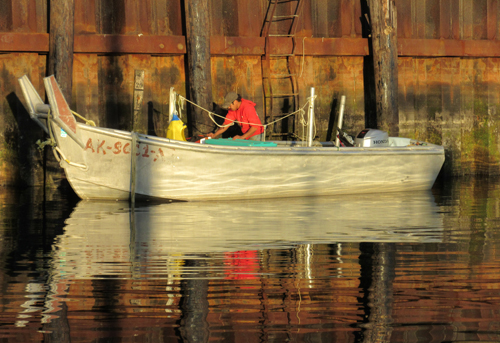
Alaska, like the rest of the West, has been experiencing a drought in recent years. One does not normally put Alaska and drought in the same sentence. With this in mind, the cruise this summer focused on the effects of current changes in weather patterns.
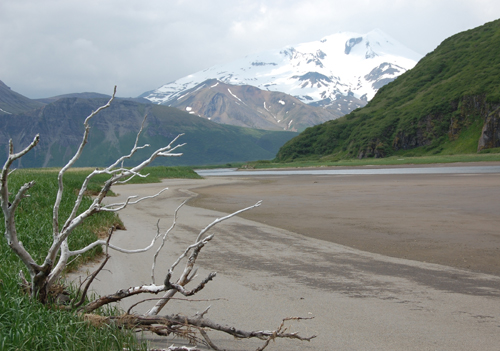
One of the obvious signs this season was the decrease in snow pack. Normally by mid-May the snow level is fairly close to the shoreline and in some cases still very heavy. Last year, and even more so this year, the snow level mid-May was more like what one would expect in August. The town of Valdez, not far from Cordova, recorded six feet less snowfall than the previous record low. The city of Anchorage, Alaska's largest, experienced the least snowfall since records have been kept. By the time Mark arrived in Cordova in March to begin his late winter solo cruise, the snow line was 800 to 1,000 feet above sea level.
Most towns in Alaska, like many in Washington State, depend on steady melt of snow pack and lakes for their water supply, not enormous dams. Last year the seafood processing plant in King Cove on the Alaska Peninsula, the largest such facility in the world as measured by product output, was forced to curtail production due to insufficient water. The town of Cordova relies on snow melt to drive the hydro-electric power plant, and this year’s insufficient water flow would force consumption of expensive diesel fuel throughout the summer fish processing season, the largest such production in history.
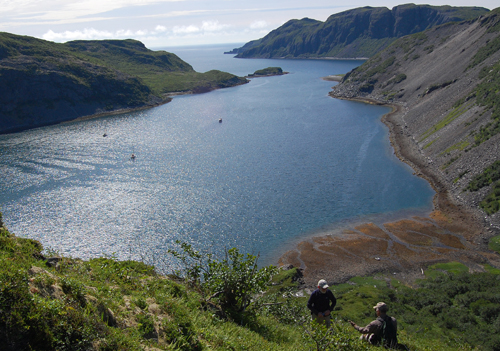
Alaska forest fires have been occurring earlier and over a longer season the last couple of years. Fires in the interior of Alaska are especially destructive in that they burn the protective tundra layer over the permafrost, causing melting and the release of methane gases into the atmosphere. By early August, more acres had been consumed by fire than any previous season but one. It was expected that the previous record would be broken by the end of summer.
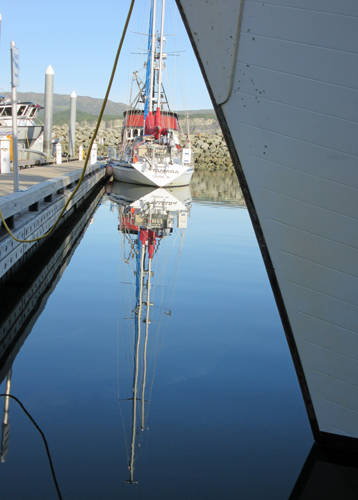
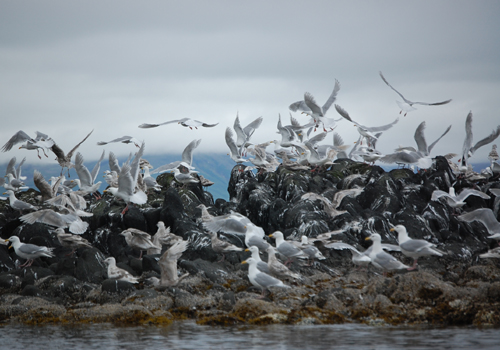
Sea water temperature is critical to salmon spawning and a rise of only a few degrees can bring havoc to the fisheries. Another effect of warmer temperatures can be an unusually high rate of growth of toxic phytoplankton. The death of an unusual number of sea birds in the Aleutians, as well as ten fin whales found dead off Kodiak Island, was provisionally attributed to this phenomenon.
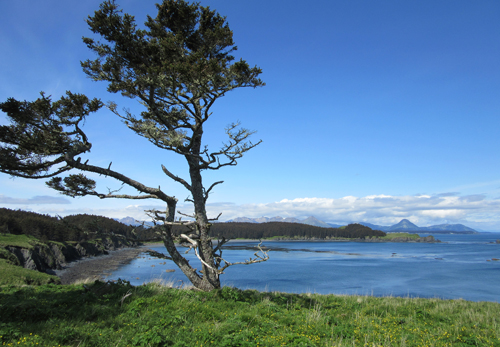
We were fortunate, however, to note an extraordinary abundance of Humpbacks this season, particularly near the Kodiak and Shumagin Islands. On several occasions one or more whales breached completely clear of the water very close to TAMARA. Unfortunately, none ever gave adequate warning for Nancy to be able to aim and focus her camera. She's still hoping for that great whale shot!

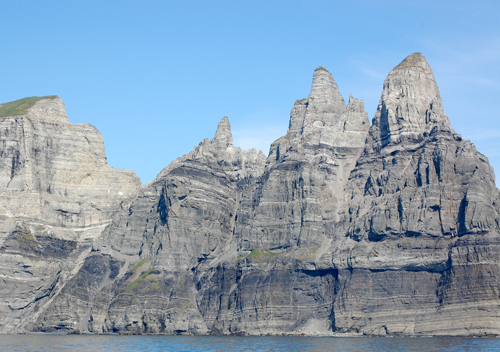
Having made the cruise to the west several times before, we would be breaking little new ground. Instead we planned to revisit several of our favorite anchorages in the southwest part of Prince William Sound, the Kenai Peninsula, the Kodiak archipelago, the rugged Alaskan Peninsula, the Shumagin and Konuij Islands. However, this season we ventured a bit off the track on this route to visit the small but important fishing of Chignik on the Alaskan Peninsula.
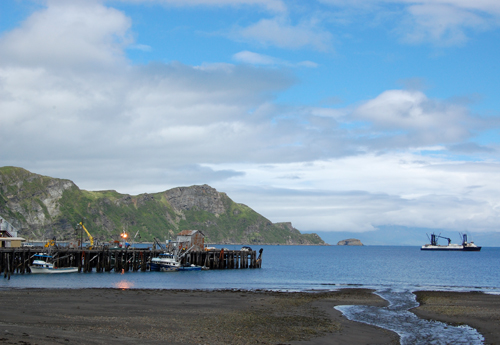
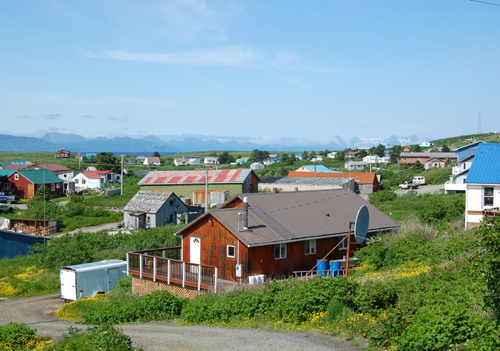
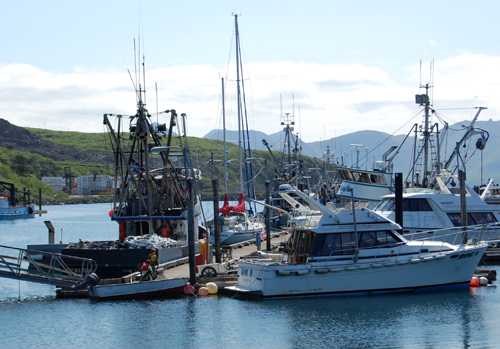
Chignik, the Aleutik word for “Big Wind” is sited at the approaches to a large, but very shallow, lagoon that produces a important Red Salmon run. The village’s name was exceptionally well chosen, and during much of our time in the brand new, well constructed harbor the place lived up to its windy reputation.
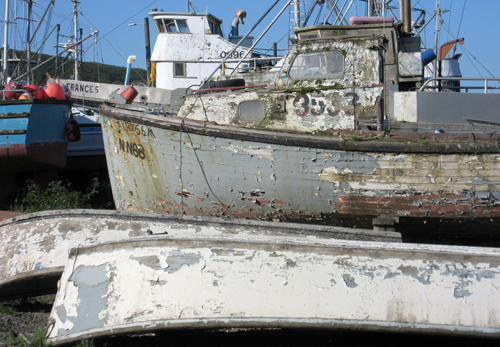
The salmon seine fishing boats that work the Chignik red salmon fishery are generally of very shallow draft, permitting them to work in the lagoon when necessary.
On our return to Cordova, TAMARA’s home-port, we were pleased to see secured to the transient dock a boat and crew we’d come to know in Patagonia and Antarctica. SAUVAGE, with Sophie and Didier aboard, was soon to depart for Mexico. But we were able to spend a few days together, and extensive discussions involving their decision whether to rebuild or replace their main engine hopefully allowed Sophie and Didier to come to a good resolution! Their latest phone call, from Ketchikan, had them planning to make their best time to Bellingham, WA to take possession of a new engine, which given the extraordinary distances they cover each season will see extensive use.
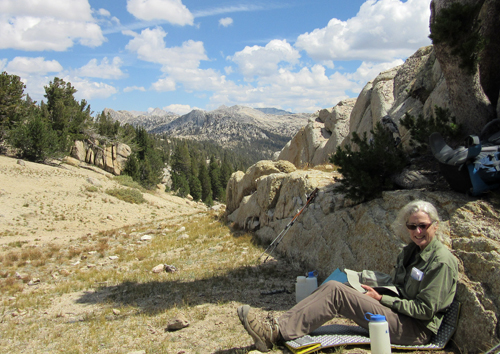
Nancy departed in mid-August to continue her hike of the Pacific Crest Trail. She would hike from Tuolumne Meadows to Donner Pass, making her total completed miles more than half way. The main concern on this hike was the fire danger but the only sign of fire was a day or two of very light smoke which she felt was very fortunate. Mark made yet another drive home, having now completed the spectacular 2,250 mile drive from Alaska through the Yukon and British Columbia more than two dozen times. For him, it's the best way to make the transition back to the bustle of life in the Puget Sound region.
Labels: Alaska Peninsula, Chignik, Kodiak, Port Wrangell, Prince William Sound, Shumigan Island Group
posted by Editor at 2:22 PM
0 comments